

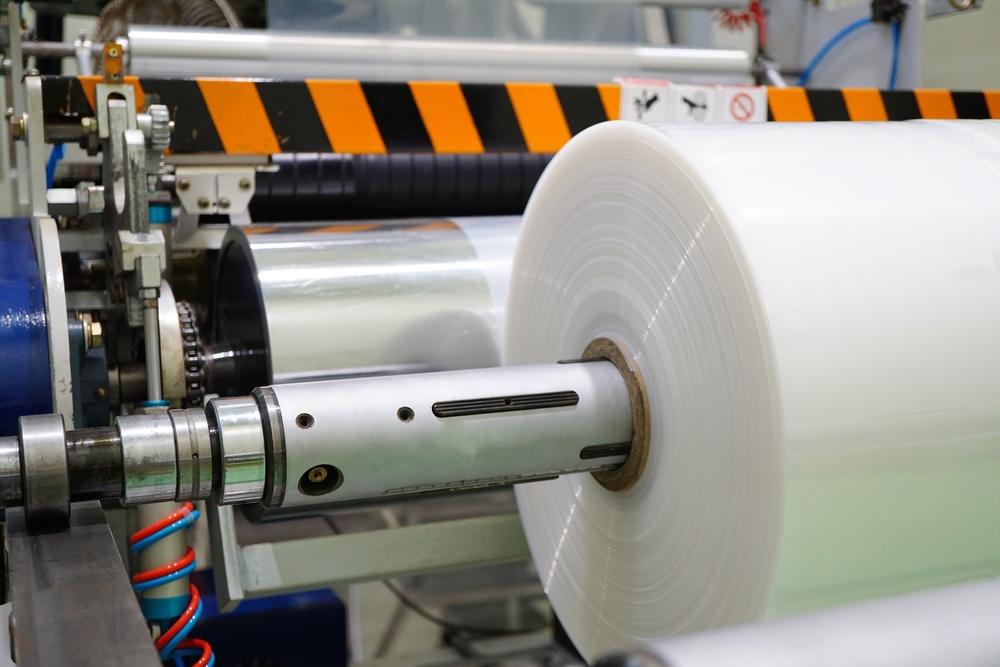
Modern plastic machinery reduces unplanned downtime and increases output by combining smarter controls, automation, and predictive maintenance to keep lines running longer at higher speeds with less scrap.
Why Downtime Is So Costly
In plastics manufacturing, every minute a press, extruder, or blow molder is idle erodes margins through lost production, expensive rush orders, and overtime labor. Unplanned stoppages also push lead times out, impacting delivery performance and customer satisfaction.aic-plastico+1
Smarter Machines, Shorter Cycles
Modern injection and blow molding machines feature high‑precision temperature, pressure, and motion control that allows faster but still stable cycles, often cutting cycle time by 20–40% versus older equipment while preserving quality. With better repeatability and closed‑loop control, manufacturers run closer to optimal parameters, which reduces trial‑and‑error adjustment time and the small micro‑stoppages that accumulate into significant downtime.
Advanced machines also improve material and energy efficiency, so higher output does not automatically mean higher operating cost per part. Lower scrap rates mean fewer purges and changeovers dedicated to fixing quality issues, which keeps machines in productive mode longer.
Automation That Keeps Lines Running
Integrated robotics and handling systems remove parts, perform trimming, and manage packaging without interruption, enabling 24/7 operation that is hard to achieve with manual labor alone. Robots work at consistent speed and precision, reducing cycle time and virtually eliminating stoppages caused by manual misloads, unsafe reaches into the mold area, or inconsistent part removal.
Flexible automation also shortens tool changeovers and product switches, so lines spend more time producing instead of waiting during changeover windows. In many plants, automating repetitive handling frees operators to focus on setup, quality checks, and problem‑solving, which further reduces the likelihood of prolonged downtime when issues arise.
Predictive Maintenance and Condition Monitoring
One of the biggest changes in modern plastic machinery is embedded sensor networks for vibration, temperature, pressure, and energy consumption, all feeding into predictive maintenance systems. By monitoring deviations from normal patterns, these systems can flag wear on critical components—such as screws, barrels, pumps, and molds—weeks before failure and schedule replacement during planned stops rather than during peak production.
Industry data shows predictive maintenance can increase machine availability by 5–15% while reducing maintenance costs by 18–25%, directly translating into less downtime and higher effective capacity. When combined with a disciplined preventive maintenance schedule and digital CMMS tracking, plants achieve smoother operation and fewer catastrophic breakdowns that might otherwise take a press or extruder down for days.
Data‑Driven OEE and Continuous Improvement
Modern machines expose detailed production data—cycle counts, reject rates, stoppage reasons, energy use—that feed into Overall Equipment Effectiveness (OEE) dashboards. With this visibility, manufacturers can identify chronic minor stops, low‑speed losses, and high scrap shifts, then tackle root causes using structured methods like Pareto analysis and FMEA; in one Indonesian plastic plant, such an improvement program raised OEE from about 26% to almost 79% once actions were implemented.
Higher OEE means more output from the same installed base, deferring capex and improving unit cost. Plants that marry modern machinery with OEE‑driven improvement often find that their “hidden factory” of lost time shrinks dramatically, converting previous downtime into billable production hours.
For a typical plastics manufacturer, upgrading to modern machinery and practices usually follows a staged path: start by tightening preventive maintenance and basic parameter optimization, then add sensors and predictive monitoring, and finally introduce robotics and integrated automation where the business case is strongest. Each step reduces unplanned stoppages, shortens cycles, and stabilizes quality, so by the time the full stack is in place, the plant can run longer, faster, and more reliably than with legacy equipment.
For manufacturers competing on tight margins and demanding lead times, investing in modern plastic machinery is no longer just an upgrade; it is a strategic lever to cut downtime, unlock latent capacity, and secure a durable competitive edge.